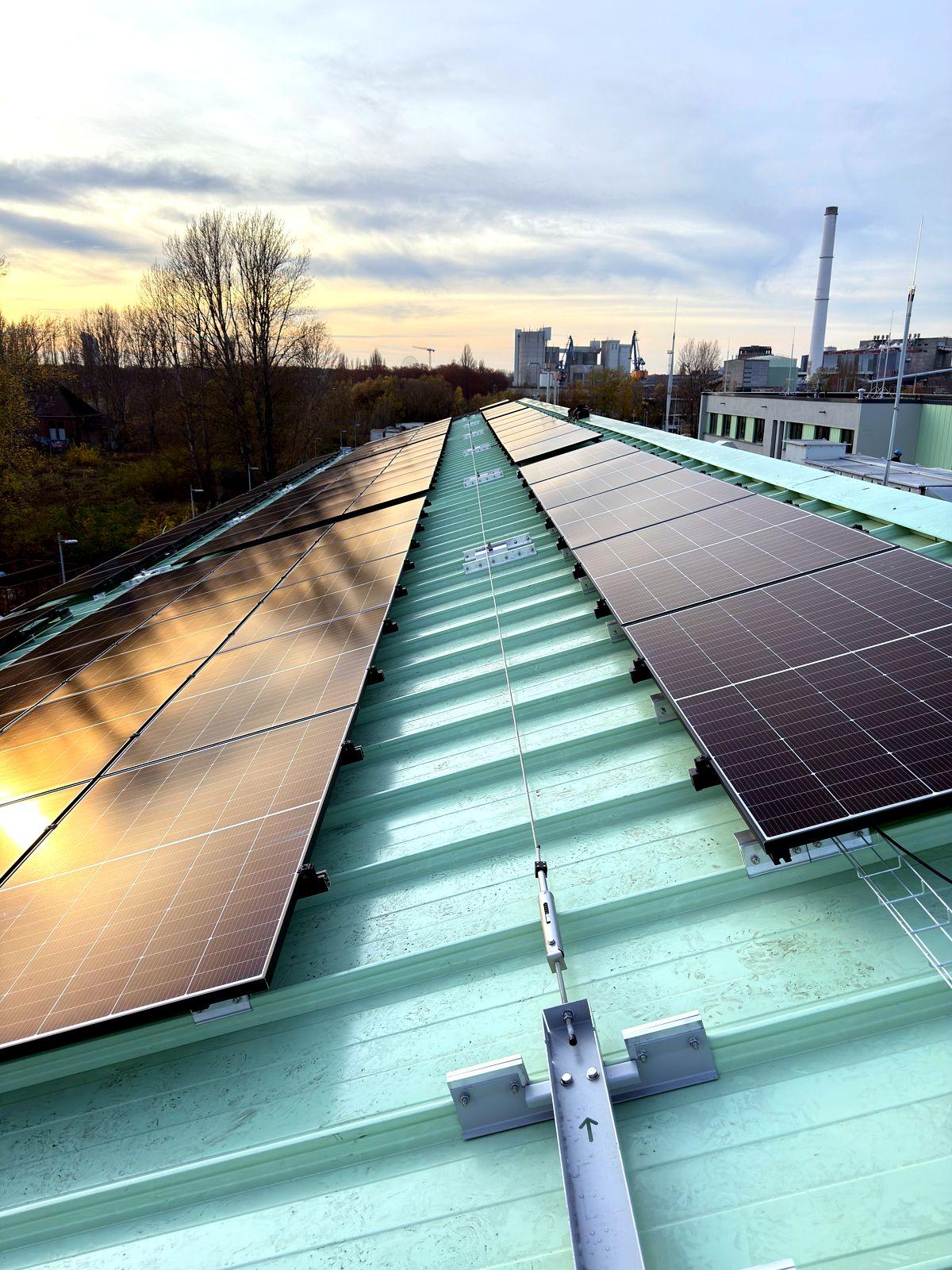
Planning, installation, maintenance and annual inspection of fall-arrest systems (ABS) – legally documented, with one dedicated point of contact.
4 services around your ABS system – each tile links directly to the matching section with more detail further down. Site supervision, third-party safety oversight and other access services can be found on the Access & Supervision page.
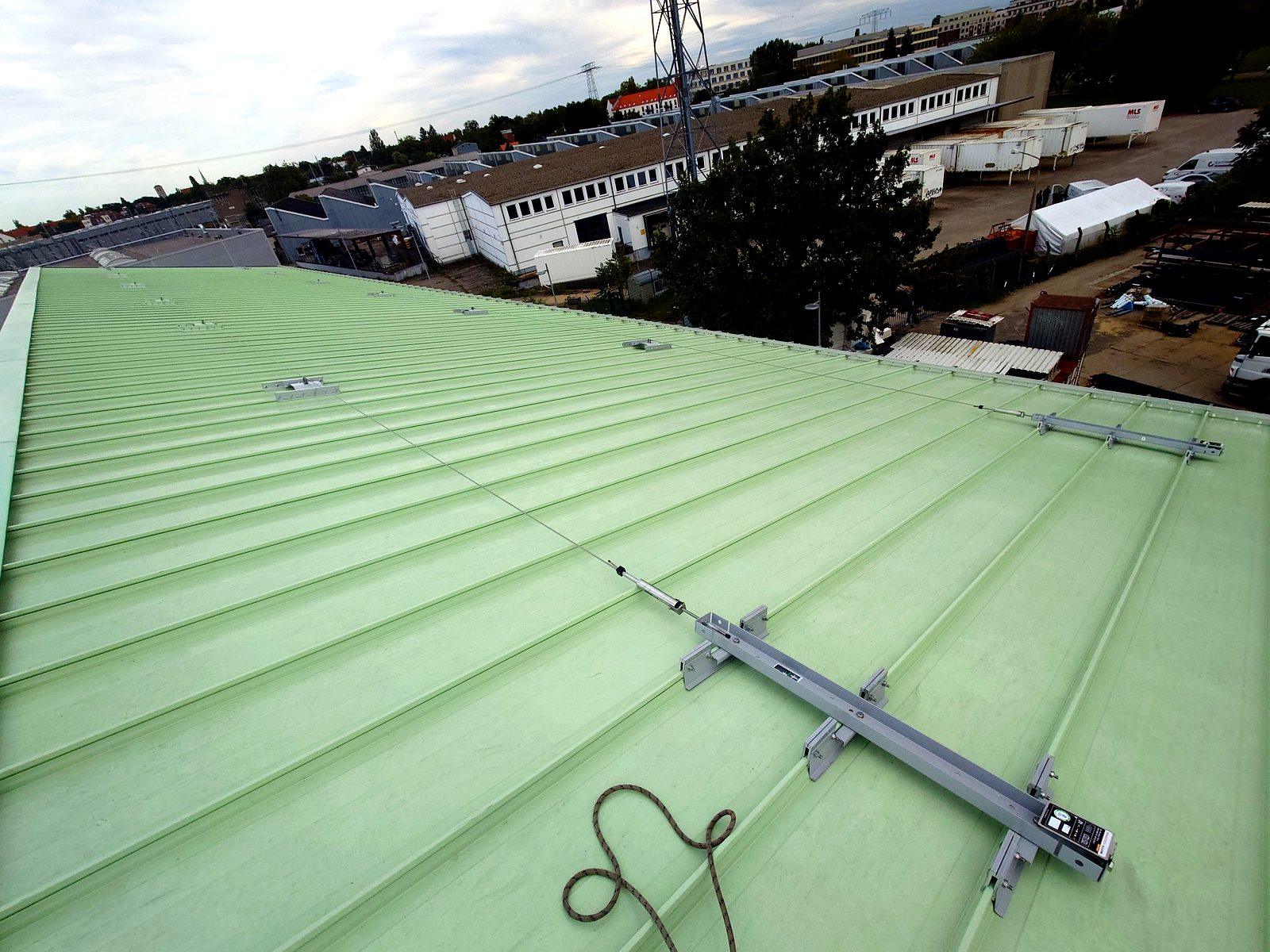
Site-specific risk analysis according to DGUV/TRBS, installation of anchor points, single anchor points and cable safety systems, including inspection, certificate of conformity and instruction for your staff.
More in Detail ↓As a competent inspector, I check all ABS components for function and wear, produce complete maintenance records and advise on any necessary repairs – as a one-off job or a maintenance contract.
More in Detail ↓Site analysis and selection of the right access technique – from rope access to temporary safety systems – including implementation recommendations and documentation.
More in Detail ↓Annual competent-person inspection of your personal fall-arrest equipment (harnesses, lanyards, carabiners) in accordance with DGUV Rule 112-198/199, including inspection sticker – as an add-on to ABS installation or maintenance.
More in Detail ↓An ABS system goes through three interlocking phases: first the precise planning of every anchor point, then inspected installation with complete documentation, and later the annual maintenance as part of the competent-person inspection.
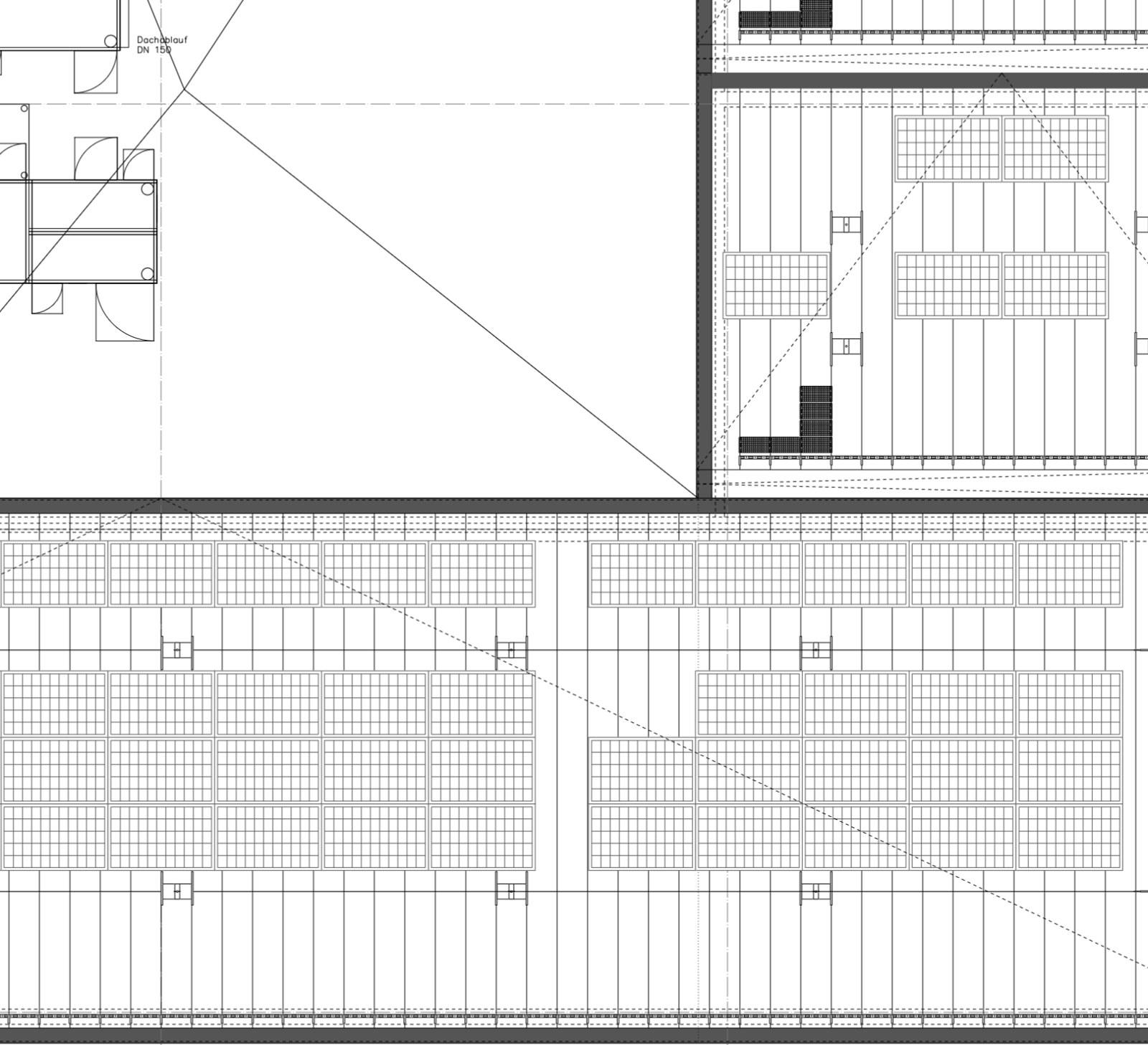
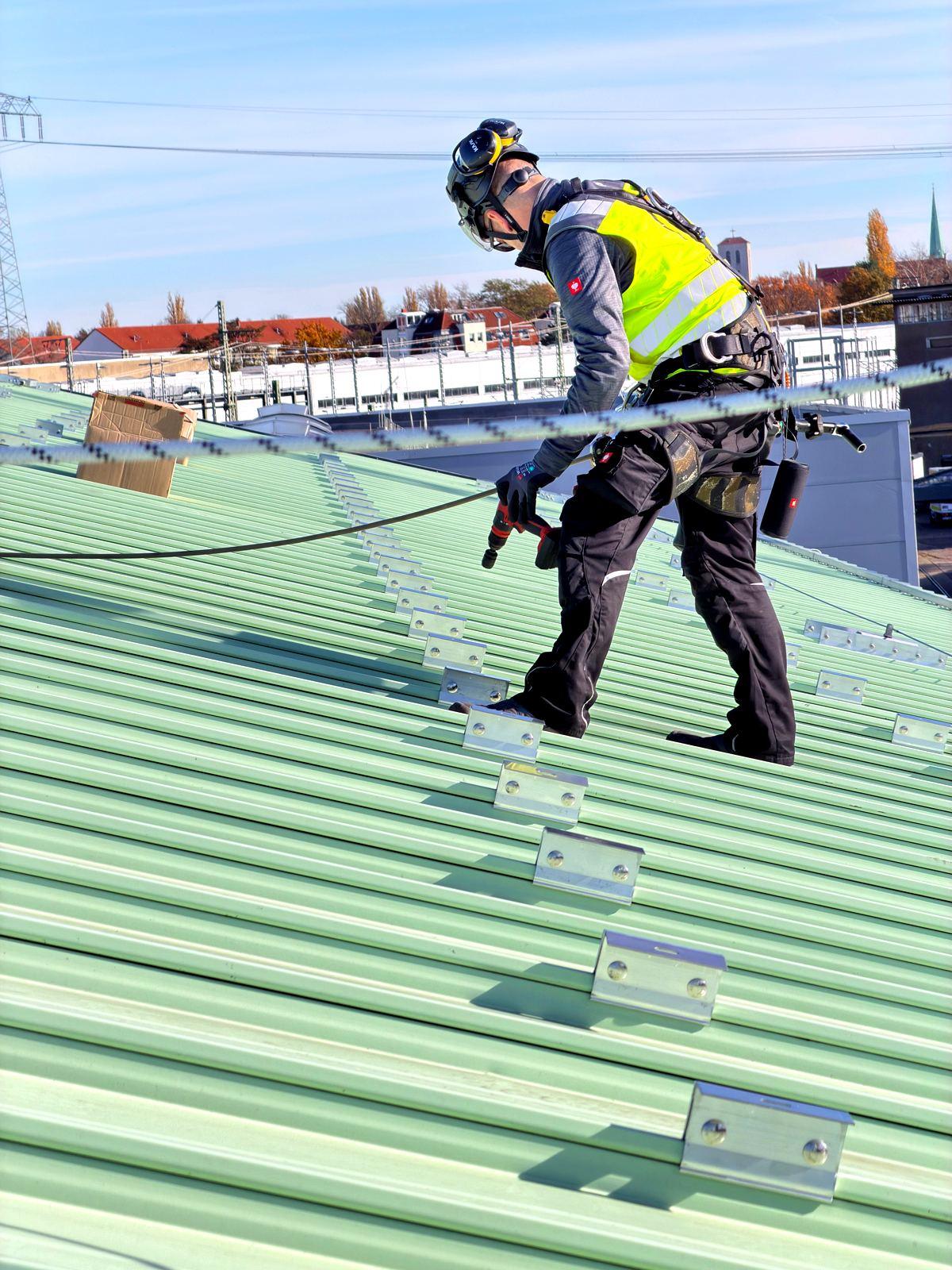
Before installation, the position of each anchor point is determined based on the roof and building plans – aligned with roof structures, existing installations such as PV modules, and the intended later use. This means the installation fits perfectly the first time.
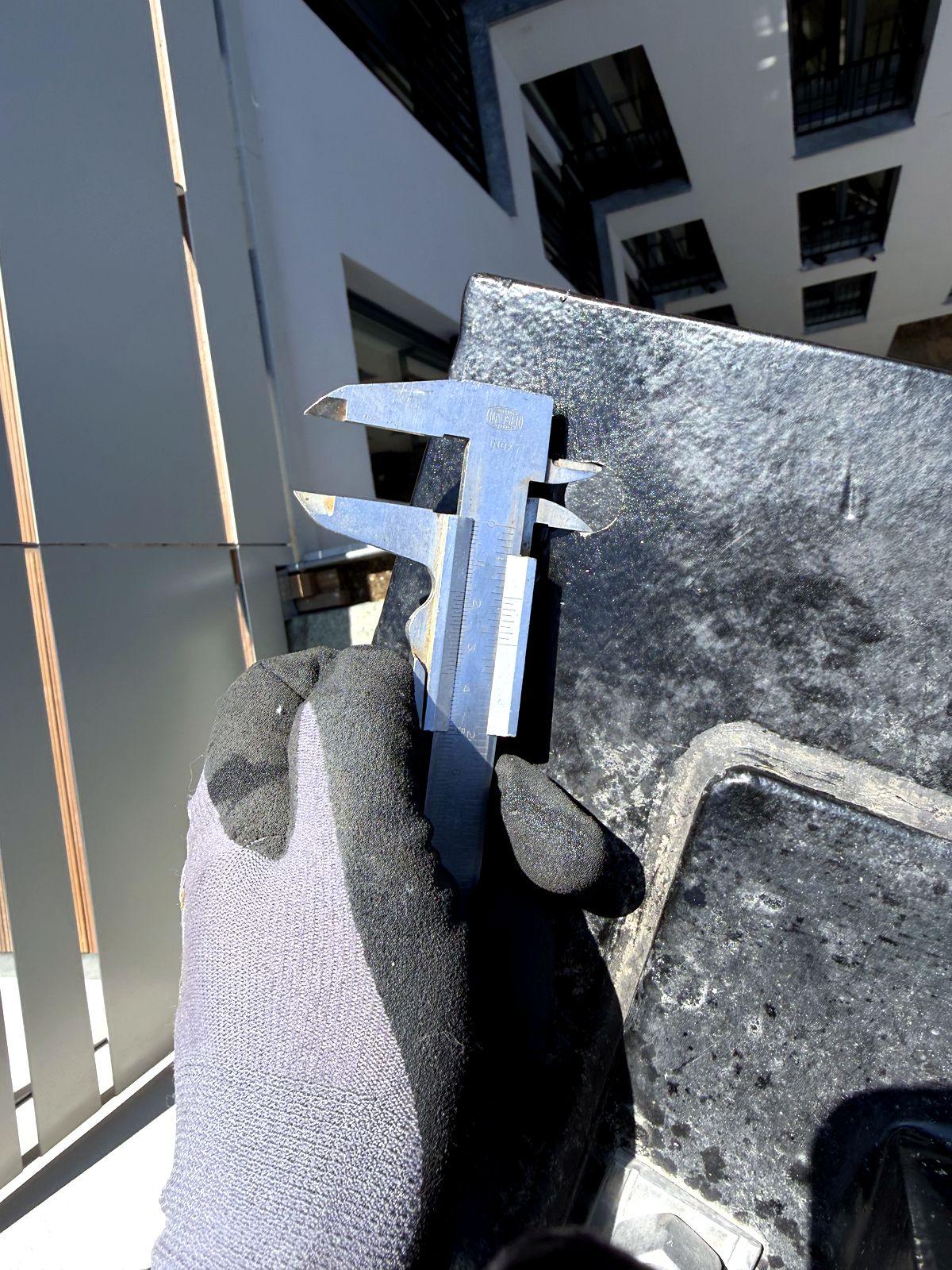
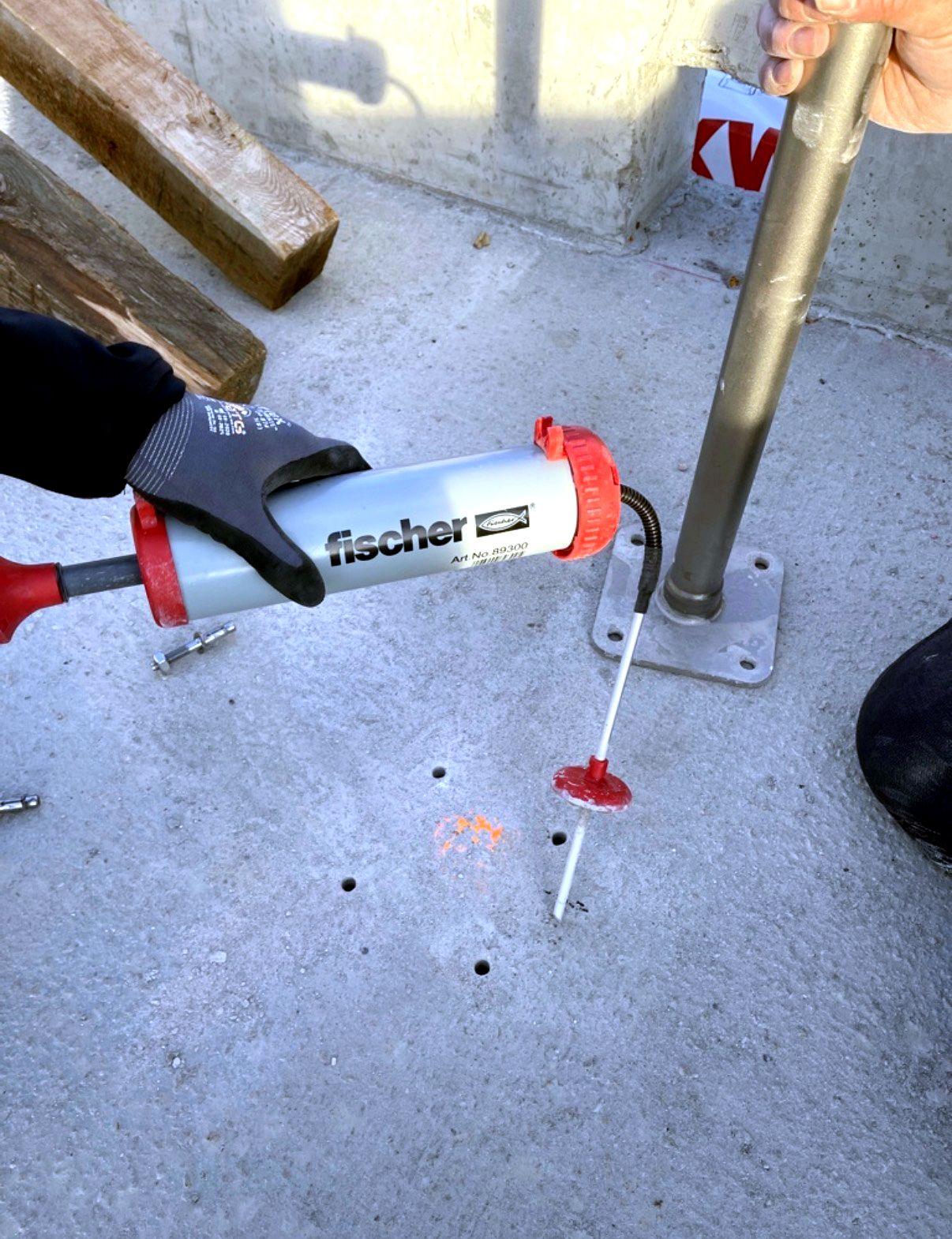
Before a single anchor is set, drill holes are thoroughly cleared of drilling dust, and depth and diameter are checked with a caliper gauge. The anchor point is then professionally installed – inspected and ready for maintenance and repair work. You receive a building-specific certificate of conformity with photo documentation as proof of correct installation and the basis for the later annual inspection.
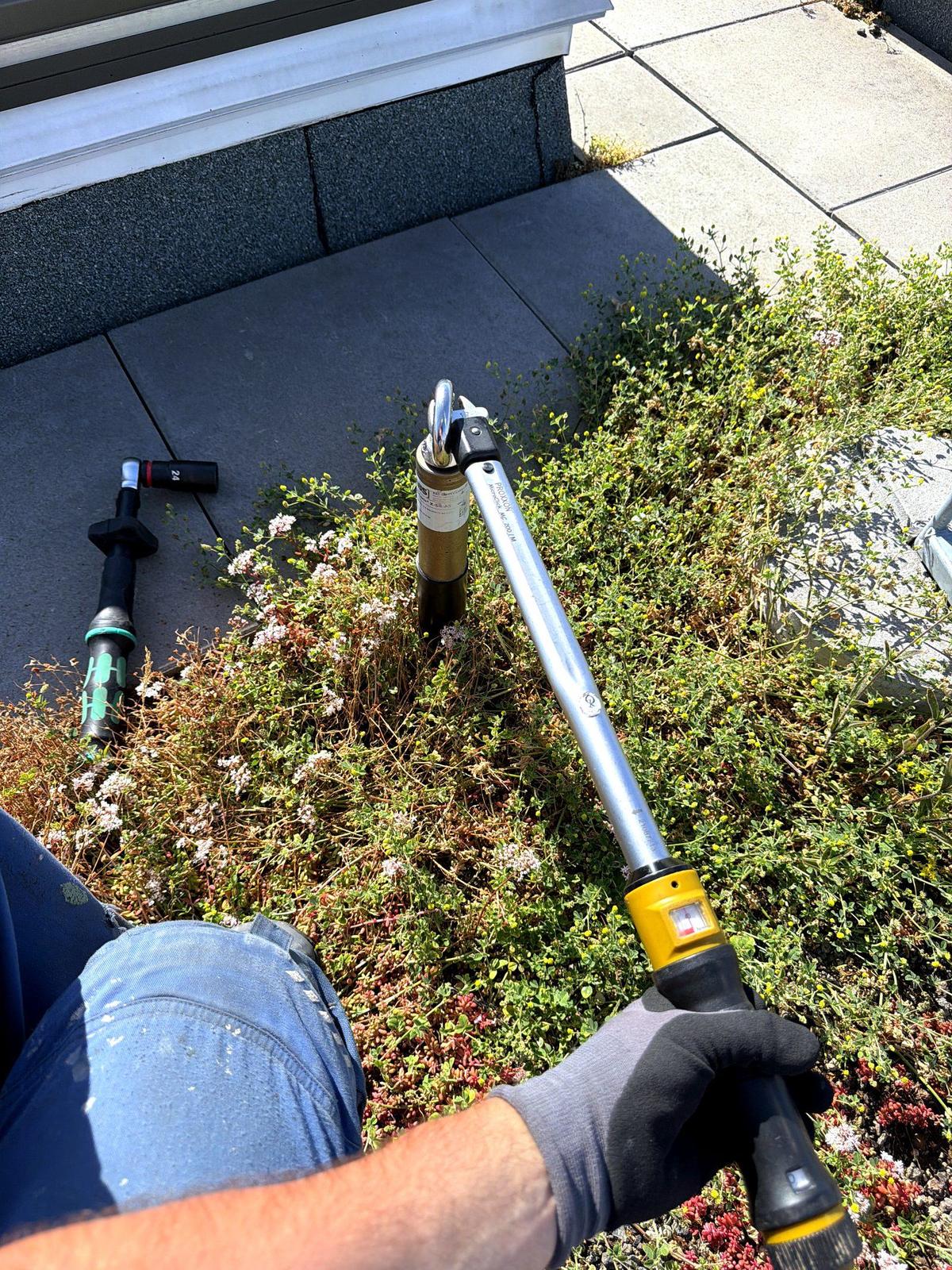
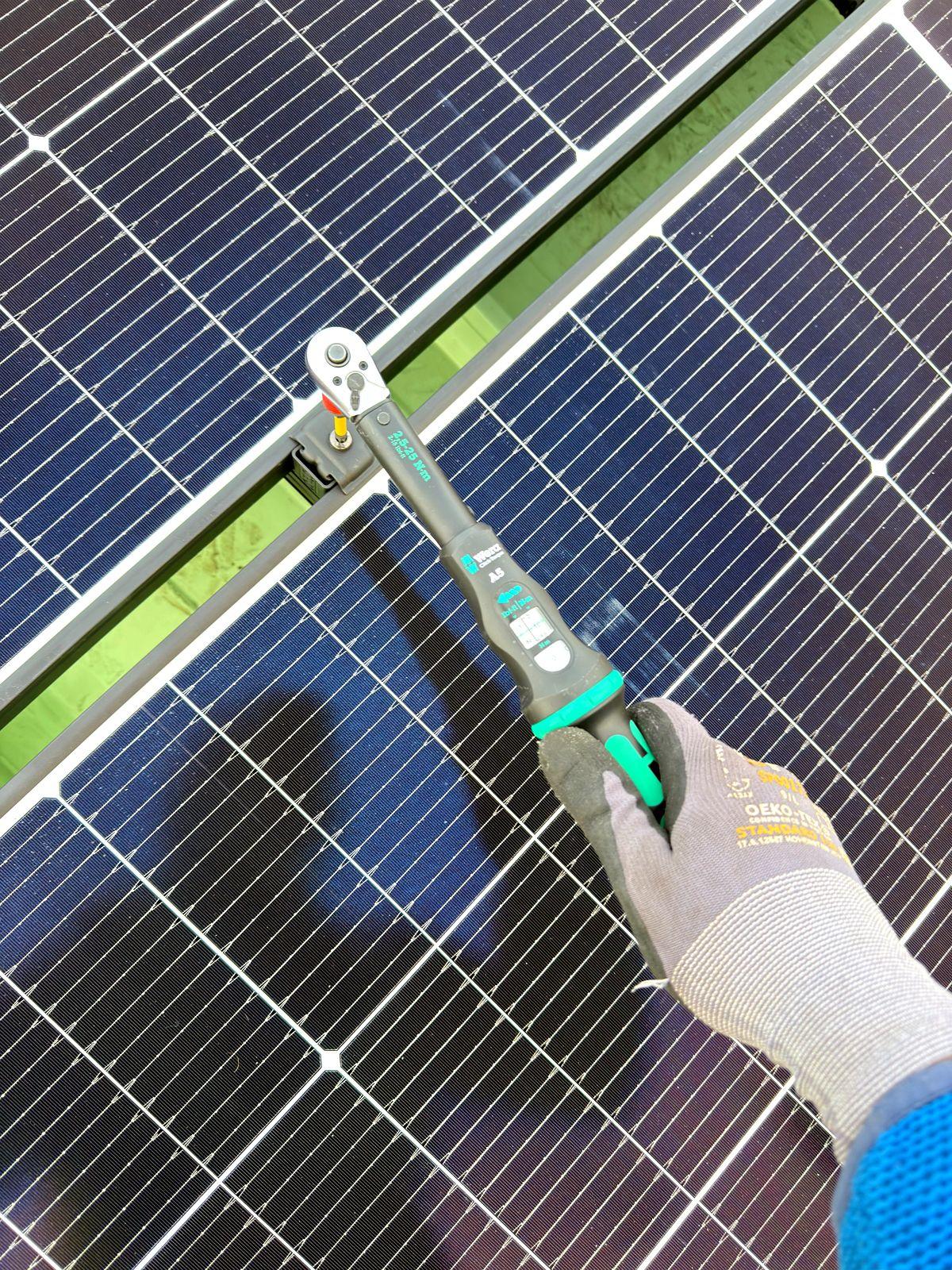
The annual inspection includes checking the tightening torque at every anchor point with a calibrated torque wrench – ensuring the fastening still meets the specified values.
Not every building needs a permanent ABS system – sometimes a temporary safety concept is enough. For short-term assignments, industrial rope access, or where a permanent installation isn't possible, mobile anchor points are used. I analyze your property and recommend the most economical and safest solution, including an implementation plan.
Harnesses, lanyards and carabiners are subject to a mandatory annual inspection by a competent person. I carry this out on site during an ABS installation or maintenance appointment and document the result with an inspection sticker.
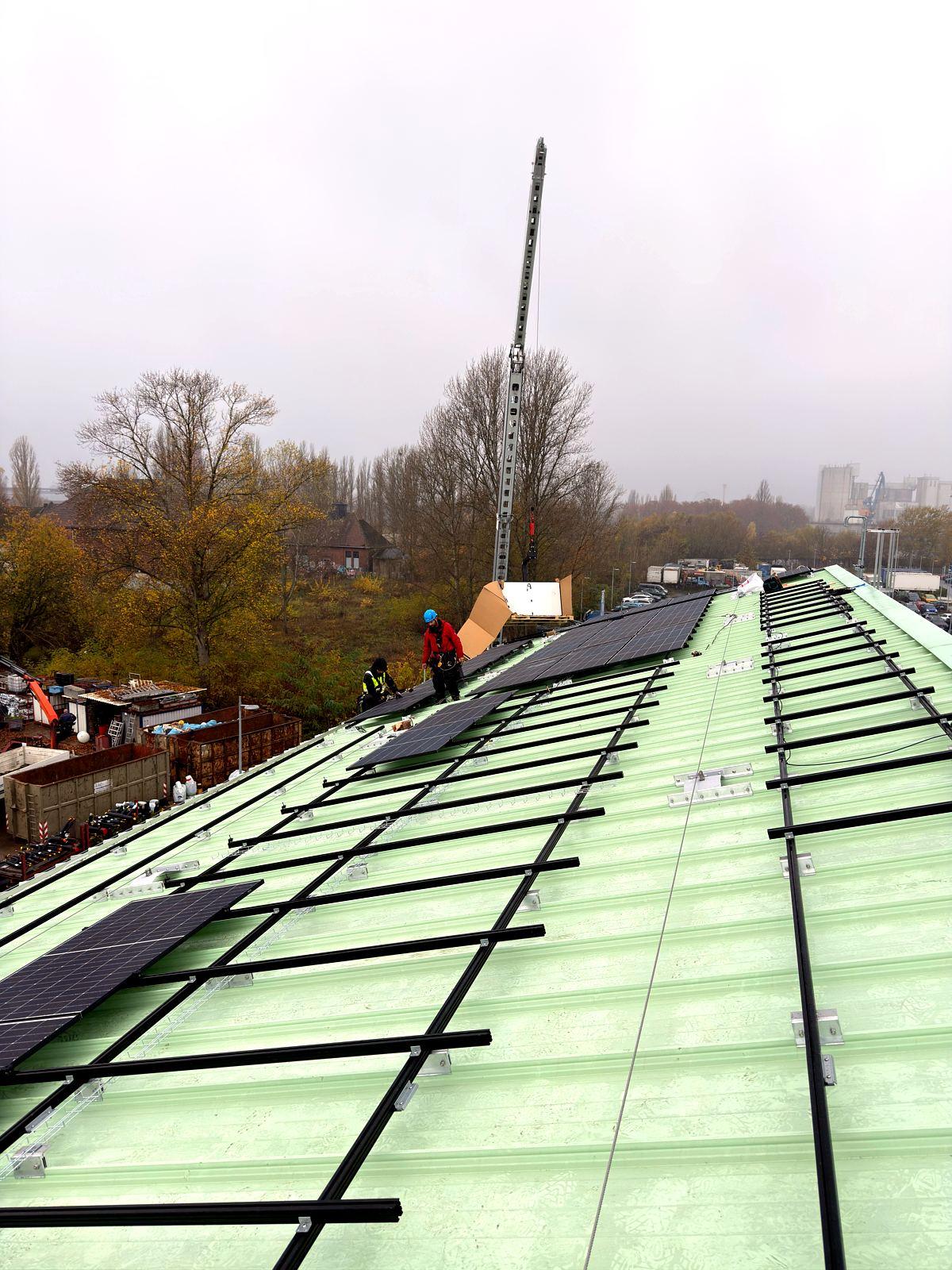
A permanently installed fall-arrest system – for example from manufacturers such as ABS or Domico – makes it possible to safely install photovoltaic systems on the roof and later maintain them, without having to improvise a new fall protection setup for every job.
Whenever there is a risk of falling during work at height – for example on flat roofs, on facades, during maintenance work on technical systems, or when accessing hard-to-reach parts of a building. Legal requirements (including DGUV, TRBS) mandate appropriate protective measures.
These include single anchor points, cable safety systems, rail systems, or collective protection such as guardrails and safety nets. The choice depends on the property, its use and the frequency of the work.
Planning and installation should only be carried out by qualified specialists familiar with current standards and regulations – this ensures all safety-relevant and legal requirements are met.
Regular maintenance and inspection of the systems, complete documentation, and making sure all users receive proper instruction. This is the only way to ensure lasting safety and to be on the safe side in the event of a claim.
As a general guide, an annual inspection by a competent person is required, though depending on usage intensity and manufacturer specifications this may need to be more frequent. A maintenance contract lets you fix the schedule in advance instead of having to coordinate the appointment anew every year.
You receive an inspection report with a specific description of the defects and a recommended course of action. Minor defects can often be fixed during the same appointment; for larger repairs, I discuss them with you in advance before any further costs arise.
Yes – for property management companies and businesses with multiple properties, I bundle inspection appointments into a single framework contract with one dedicated contact and one invoice, instead of coordinating each property separately.
In the case of urgent need – for example a damaged anchor point ahead of upcoming roof work – I try to arrange an appointment at short notice. It's best to call so I can assess the urgency directly.
Let's talk about a maintenance contract or a one-off project.